
Top Tips for Effective Automotive Service
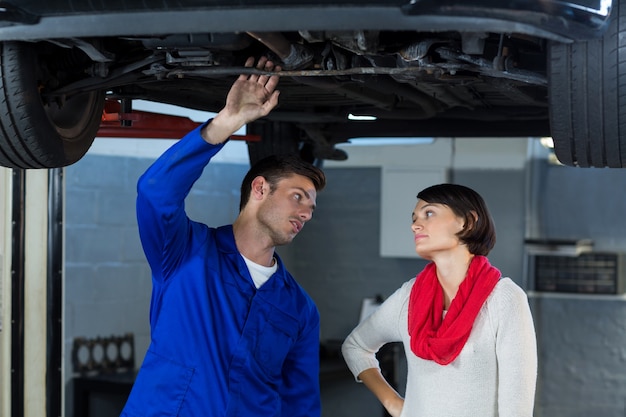
Ensuring your vehicle remains in top condition requires a blend of routine maintenance and proactive care. By adhering to automotive maintenance tips and implementing best practices, you can extend the lifespan of your car and enhance its performance. Here’s a guide to car service best practices that will help you keep your vehicle running smoothly and efficiently.
Regular Maintenance Checks
Routine maintenance is the cornerstone of effective automotive service. Regularly scheduled checks can prevent minor issues from escalating into costly repairs. Here are a few essential maintenance practices:
- Follow the Manufacturer’s Maintenance Schedule: Every vehicle comes with a maintenance schedule outlined in the owner’s manual. Adhering to these recommendations ensures that you’re performing essential tasks, such as oil changes and tire rotations, at the appropriate intervals. This schedule is designed to keep your vehicle in peak condition.
- Check Fluid Levels: Regularly inspect and top off essential fluids, including engine oil, coolant, brake fluid, and transmission fluid. Proper fluid levels are crucial for the smooth operation of your vehicle’s systems. Neglecting fluid checks can lead to overheating, brake failure, or transmission issues.
- Inspect Tires: Tires are your car’s point of contact with the road, making their maintenance critical. Regularly check tire pressure and tread depth. Properly inflated tires with adequate tread offer better traction, fuel efficiency, and safety. Don’t forget to have your tires rotated periodically to ensure even wear.
Proactive Vehicle Care
Proactive care goes beyond routine checks and dives into preventive measures that safeguard your vehicle’s long-term health. Here’s how you can enhance your car’s longevity:
- Keep Your Vehicle Clean: Regular washing and waxing protect your car’s paint from corrosive elements such as road salt and bird droppings. Cleaning the interior helps maintain a fresh environment and preserves upholstery and trim. A clean car isn’t just about aesthetics; it contributes to overall vehicle longevity.
- Monitor Battery Health: The car battery is crucial for starting your vehicle and powering its electrical systems. Check the battery terminals for corrosion and ensure it’s securely mounted. If your battery is more than three years old, have it tested regularly and replace it as needed to avoid unexpected breakdowns.
- Address Warning Lights Promptly: Modern vehicles come equipped with various warning lights that alert you to potential issues. Pay attention to these indicators and address them promptly. Ignoring warning lights can lead to more significant problems and costly repairs down the road.
Best Practices for Auto Repair Efficiency
When repairs are necessary, efficiency and quality are paramount. Here are some tips for ensuring your auto repair processes are both effective and efficient:
- Choose a Reputable Repair Shop: Research and select a repair shop known for its reliability and expertise. Read reviews, ask for recommendations, and check if the shop has certifications from recognized automotive organizations. A reputable shop will provide high-quality service and stand by its work.
- Request a Detailed Estimate: Before authorizing any repairs, request a detailed estimate that includes labor, parts, and any additional fees. This transparency helps you understand the scope of the work and avoid unexpected costs. Always get a written estimate and clarify any questions with your mechanic.
- Keep Records of Repairs: Maintaining a detailed record of all repairs and services performed on your vehicle can be incredibly valuable. This history helps track the work done, schedule future maintenance, and provide useful information if you need to address recurring issues.
Vehicle Care Recommendations for Longevity
- Regularly Update Your Vehicle’s Software: Modern vehicles often come with sophisticated onboard computers that control various functions. Keeping your vehicle’s software up to date ensures optimal performance and compatibility with new technologies.
- Invest in Quality Parts: When replacement parts are needed, opt for high-quality components that match the manufacturer’s specifications. Quality parts enhance the performance and longevity of your vehicle, ensuring that repairs are both effective and durable.
- Pay Attention to Driving Habits: Your driving habits can significantly impact your vehicle’s health. Avoid aggressive driving, sudden accelerations, and excessive idling. Smooth driving reduces wear and tear on your vehicle’s components and improves fuel efficiency.
Conclusion
Maintaining a vehicle in top condition involves more than just occasional repairs; it requires a commitment to regular maintenance and proactive care. By following these automotive maintenance tips, adhering to car service best practices, and applying auto repair efficiency strategies, you can keep your vehicle running smoothly and efficiently. Remember, a well-maintained vehicle not only performs better but also provides a safer and more enjoyable driving experience.
Implement these strategies to ensure your vehicle remains in excellent shape and continues to serve you reliably for years to come.


