
The Role of Technology in Modern Car Repair
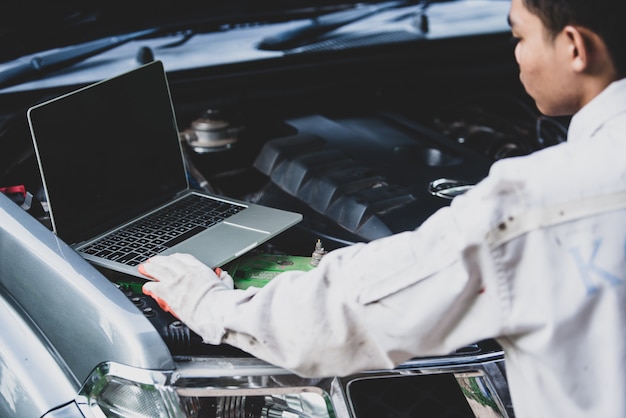
In today’s fast-paced world, the integration of technology in car repair has revolutionized how vehicles are maintained and repaired. As automobiles become increasingly sophisticated, the tools and techniques used to address issues have evolved dramatically. From advanced diagnostic tools to cutting-edge repair technologies, the impact of tech on auto repairs is profound and multifaceted.
The Evolution of Automotive Diagnostic Tools
One of the most significant advancements in modern automotive diagnostic tools is the advent of onboard diagnostic systems (OBD). These systems have transformed the way mechanics and technicians identify and troubleshoot vehicle issues. By connecting a diagnostic scanner to the vehicle’s OBD port, technicians can access a wealth of data about the engine, transmission, and other critical systems. This data includes error codes, real-time performance metrics, and historical data, providing a comprehensive view of the vehicle’s health.
The transition from basic diagnostic tools to sophisticated systems with real-time capabilities has enhanced the accuracy and efficiency of diagnosing problems. Advanced car repair technologies now include scanners that can interface with multiple vehicle makes and models, offering greater versatility and precision. This technological leap allows for faster problem identification, reducing downtime and improving overall repair quality.
Innovations in Car Repair Technologies
The realm of advanced car repair technologies extends beyond diagnostic tools. Modern repair techniques often involve the use of robotics and automation to improve precision and efficiency. For instance, robotic arms are increasingly employed in tasks such as engine assembly and part replacement. These robots can perform repetitive tasks with high precision, reducing the likelihood of human error and ensuring consistent quality.
Additionally, the use of laser alignment systems has become common in wheel and suspension repairs. These systems provide precise measurements, helping to align wheels with impeccable accuracy. The integration of such technologies not only enhances repair quality but also extends the lifespan of vehicle components by ensuring they are properly aligned.
The Impact of Tech on Auto Repairs
The impact of tech on auto repairs is evident in several key areas:
- Enhanced Accuracy and Efficiency: Technology has streamlined the repair process, reducing the time needed to diagnose and fix issues. For example, digital multimeters and oscilloscopes provide precise measurements of electrical systems, allowing technicians to pinpoint faults with greater accuracy. This efficiency translates to quicker turnaround times for customers and improved overall service quality.
- Improved Repair Quality: Advanced technologies such as computerized wheel alignment and automated diagnostic systems ensure that repairs are performed to exacting standards. This high level of precision helps in maintaining vehicle performance and safety, reducing the likelihood of recurring problems.
- Increased Accessibility of Information: Technicians now have access to a vast array of technical information and repair manuals through online databases and subscription services. This wealth of information allows for more informed decision-making and problem-solving, facilitating more effective repairs.
- Enhanced Training and Skill Development: The rise of advanced technologies has necessitated ongoing training and skill development for automotive technicians. Workshops, online courses, and certification programs are increasingly focused on new technologies, ensuring that technicians are well-equipped to handle the latest advancements.
The Future of Technology in Car Repair
Looking ahead, the role of technology in car repair is expected to expand further. Innovations such as artificial intelligence (AI) and machine learning are poised to play a significant role in future automotive diagnostics and repair. AI-powered systems could analyze vast amounts of data from vehicles, predict potential failures, and recommend preventive measures. These advancements hold the promise of even greater efficiency and precision in vehicle maintenance.
Additionally, the integration of augmented reality (AR) could transform the way technicians approach repairs. AR systems could overlay digital information onto the physical vehicle, providing real-time guidance and step-by-step instructions. This technology has the potential to enhance repair accuracy and reduce the learning curve for new technicians.
Conclusion
The integration of technology in car repair has undoubtedly transformed the automotive repair industry. Modern automotive diagnostic tools and advanced car repair technologies have improved the accuracy, efficiency, and quality of repairs, benefiting both technicians and vehicle owners. As technology continues to evolve, its impact on auto repairs will only become more pronounced, promising a future where repairs are faster, more precise, and more informed.
Embracing these technological advancements is essential for staying at the forefront of the automotive repair industry. By leveraging the latest tools and techniques, technicians can ensure that they provide the highest level of service, ultimately enhancing the driving experience for vehicle owners.


