
The Role of Technology in Modern Automotive Service
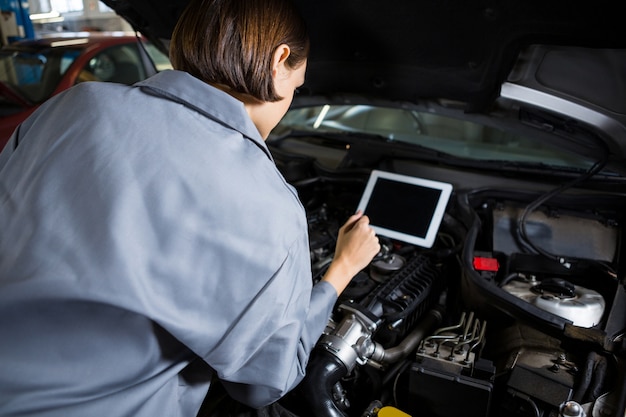
The landscape of automotive service has undergone a remarkable transformation in recent years. With rapid advancements in technology, the way vehicles are maintained, repaired, and serviced has evolved dramatically. Embracing these automotive technology advancements is crucial for staying competitive and ensuring top-notch service. Here’s a closer look at how technology is revolutionizing modern car service.
The Rise of Automotive Technology Advancements
Gone are the days when a wrench and a screwdriver were the primary tools for car repairs. Today, automotive technology advancements have introduced a plethora of sophisticated tools and systems that enhance both the efficiency and accuracy of vehicle maintenance. From advanced diagnostic equipment to computerized systems that monitor vehicle health in real time, technology is reshaping the automotive repair industry.
Modern vehicles are equipped with an array of sensors and electronic control units (ECUs) that monitor everything from engine performance to tire pressure. These systems generate a vast amount of data, which can be analyzed to diagnose issues quickly and accurately. Understanding and leveraging these technologies is essential for any automotive professional aiming to provide exceptional service.
Modern Car Service Tools: A New Era
The advent of modern car service tools has significantly streamlined the repair process. Diagnostic scanners and code readers, for example, have become indispensable in identifying and troubleshooting issues. These tools interface with a vehicle’s onboard computer system, providing technicians with detailed information about error codes and performance metrics.
Moreover, tools like tire alignment machines, hydraulic lifts, and computerized balancing systems have made it easier to perform precise repairs and adjustments. These innovations not only improve the accuracy of repairs but also enhance the safety and longevity of vehicles. Investing in the latest modern car service tools ensures that technicians are equipped to handle the complexities of contemporary vehicles.
The Impact of Tech Innovations in Auto Repair
Tech innovations in auto repair are continually transforming how repairs are approached and executed. For instance, the development of augmented reality (AR) has introduced a new dimension to vehicle servicing. AR glasses can overlay repair instructions and diagrams onto a technician’s field of vision, guiding them through complex procedures with enhanced precision.
Additionally, advancements in artificial intelligence (AI) are beginning to play a role in predictive maintenance. AI algorithms can analyze data from various vehicle systems to predict potential failures before they occur. This proactive approach allows for timely interventions, reducing the risk of breakdowns and extending the vehicle’s lifespan.
The integration of machine learning with diagnostic tools is another exciting development. These tools can learn from previous repairs and outcomes to improve their diagnostic accuracy over time. As a result, tech innovations in auto repair are making it easier to resolve issues efficiently and with greater confidence.
Embracing Digital Solutions for Vehicle Maintenance
In the realm of vehicle maintenance, digital solutions for vehicle maintenance are becoming increasingly prevalent. Software applications that track maintenance schedules, service history, and vehicle health are now standard in many repair shops. These digital platforms provide both technicians and vehicle owners with valuable insights into the condition of the vehicle, ensuring that maintenance is performed at the optimal intervals.
Furthermore, remote diagnostics and telematics systems allow for real-time monitoring of vehicle performance. These systems can transmit data to repair facilities, enabling technicians to perform preliminary diagnostics before the vehicle even arrives. This capability not only speeds up the repair process but also enhances the overall customer experience by reducing wait times and ensuring that technicians are well-prepared.
The Benefits of Technological Integration
Integrating technology into automotive service offers numerous benefits. For technicians, the use of advanced tools and diagnostic systems leads to increased efficiency and accuracy. Automotive technology advancements allow for quicker identification of issues, more effective repairs, and a reduced likelihood of errors.
For vehicle owners, technology provides enhanced transparency and convenience. With digital solutions that track maintenance and alert owners to potential issues, there is a greater sense of control and awareness regarding vehicle health. This proactive approach helps in preventing costly repairs and ensures that vehicles remain in optimal condition.
Additionally, the use of technology in automotive service promotes better communication between repair shops and customers. Digital platforms facilitate easier appointment scheduling, status updates, and service history access. This improved communication fosters trust and strengthens customer relationships.
Conclusion
The role of technology in modern automotive service cannot be overstated. From automotive technology advancements to modern car service tools, and tech innovations in auto repair, technology is revolutionizing the industry. Embracing these advancements and integrating digital solutions for vehicle maintenance not only enhances the efficiency and accuracy of repairs but also improves the overall customer experience. As technology continues to evolve, staying abreast of these changes will be key to thriving in the dynamic world of automotive service.


