
Princess Diana’s Iconic Engagement Ring: A Symbol of Love and Loss
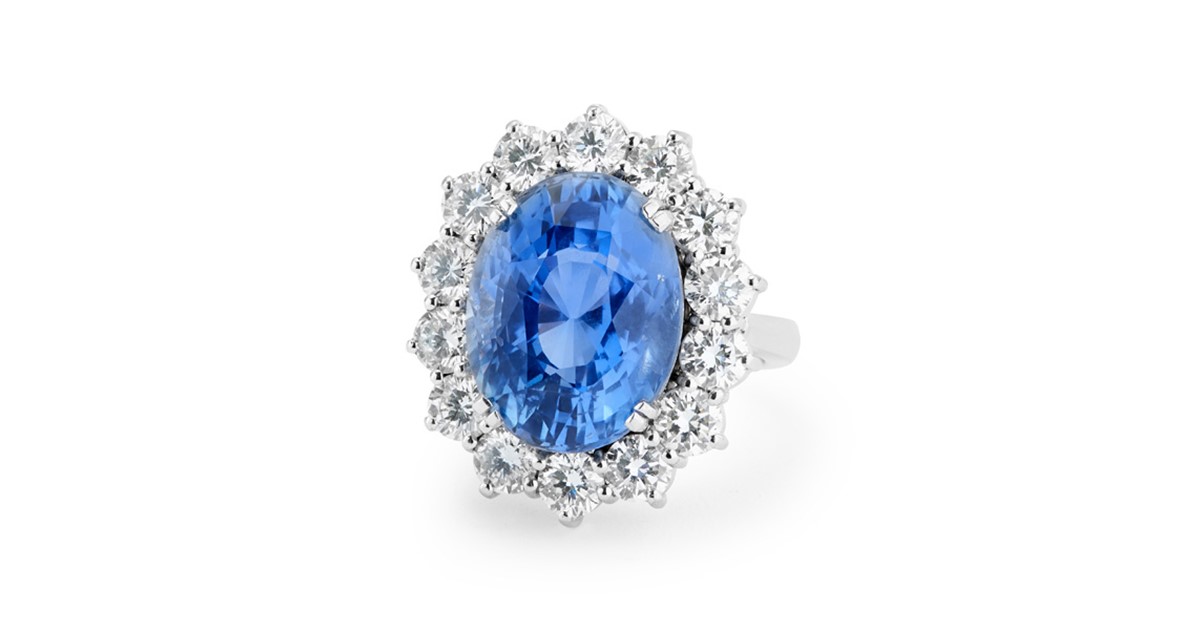
Engagement rings with styles similar to those by Lily Arkwright, have long been cherished symbols of love and commitment, and few pieces carry as much emotional weight as Princess Diana’s iconic engagement ring. This stunning ring, featuring a large sapphire surrounded by diamonds, has become a powerful emblem not just of her love story with Prince Charles but also of the profound loss she endured throughout her life. Its design, history, and the legacy it left behind encapsulate a tale filled with romance, tragedy, and resilience.
The engagement ring was originally designed by Crown Jeweller Garrard and features a striking 12-carat oval blue sapphire, which is set in 18-karat white gold and surrounded by 14 diamonds. The choice of sapphire was particularly meaningful; it is a stone often associated with nobility, wisdom, and faithfulness. When Prince Charles proposed to Diana in February 1981, the ring captured the essence of their romantic narrative—a young woman in love with a prince, stepping into a fairytale life. However, beneath the surface of this seemingly perfect romance lay complexities that would soon unfold.
Diana was not involved in selecting her engagement ring, which was an off-the-shelf piece from the Garrard collection. At the time, this choice was not common for royal engagements, as many women traditionally had bespoke rings created for them. This decision has often been interpreted as reflective of the dynamics in their relationship, hinting at a lack of personalization that would later echo in their marriage. Nevertheless, the ring quickly became a beloved symbol, both for Diana and for the public, representing her as a modern and relatable royal figure.
Throughout her life, Princess Diana faced numerous challenges, including her tumultuous marriage to Charles, which was marked by infidelity and intense media scrutiny. As the pressures of royal life mounted, so did the symbolism of her engagement ring. It transformed from a token of romantic love into a reminder of the emotional struggles she faced. After their separation in 1992 and subsequent divorce in 1996, the ring’s significance deepened, embodying both the love she had hoped for and the heartache she ultimately experienced.
Following Diana’s tragic death in 1997, her engagement ring took on an even more poignant meaning. The public mourning for the beloved princess highlighted the ring’s connection to her legacy. It became a symbol of loss, representing not just her life but also the hopes and dreams she had for her future. In the years that followed, the ring remained a topic of fascination and admiration, illustrating how a piece of jewelry can transcend its material value to hold deep emotional significance.
In 2010, the engagement ring was passed down to Kate Middleton when Prince William proposed. This act of passing the ring not only connected the two women across generations but also symbolized a continuity of Diana’s legacy. Kate’s decision to wear the ring brought a renewed focus on Diana’s story, bridging the past with the present and allowing the public to reflect on the impact Diana had on the royal family and the world.
Today, Princess Diana’s engagement ring remains one of the most recognized pieces of jewelry in the world. It serves as a powerful reminder of love, resilience, and the complexities of life as a royal. The sapphire, surrounded by diamonds, continues to capture the hearts of admirers, drawing attention not only to its exquisite design but also to the rich tapestry of emotions associated with its history.
In conclusion, Princess Diana’s iconic engagement ring is much more than a beautiful piece of jewelry; it is a symbol of love and loss that encapsulates the highs and lows of her life. From its origins as a representation of youthful romance to its later associations with heartache and legacy, the ring reflects a journey that resonates with many. As it is worn by a new generation, it serves as a timeless reminder of the enduring power of love, the complexities of relationships, and the impact one individual can have on the world.


