
How to Choose Between Professional and DIY Car Repairs
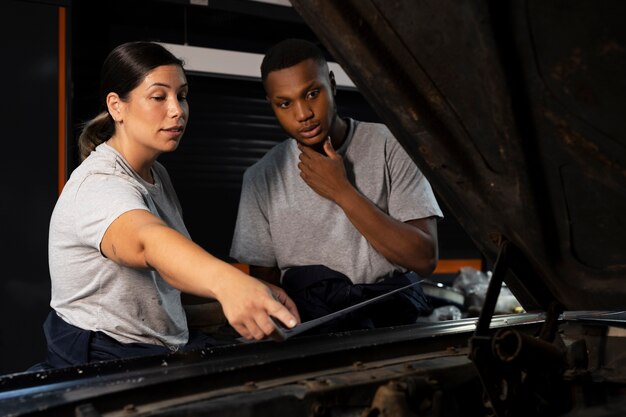
When it comes to car maintenance and repair, one of the most critical decisions you’ll face is whether to tackle the job yourself or seek professional assistance. Each approach has its own set of advantages and drawbacks, making it essential to evaluate your options carefully. Here’s a comprehensive car repair decision-making guide to help you navigate the choice between professional vs DIY car repairs.
Understanding the Scope of the Repair
The first step in deciding whether to go for DIY vs professional automotive service is to understand the scope of the repair. Minor issues like changing the oil, replacing air filters, or rotating tires are generally manageable for most car owners. These DIY car repair tips are straightforward and often come with comprehensive guides or video tutorials. However, more complex problems, such as those involving the transmission, engine, or electrical systems, may require specialized knowledge and tools that are typically found in a professional setting.
Evaluating Your Skill Level and Tools
Another crucial factor in the decision-making process is your skill level and the tools at your disposal. Choosing between auto repair options depends largely on whether you have the necessary expertise and equipment. Basic repairs can often be performed with a simple set of hand tools, while intricate repairs might need advanced diagnostic equipment and precision tools. If you’re comfortable and experienced with automotive work, DIY vs professional automotive service might lean towards handling it yourself. Conversely, if you lack the confidence or tools, a professional repair service is a safer bet.
Cost Considerations
Cost is a significant factor in professional vs DIY car repairs. DIY repairs often appear more budget-friendly, as you can save on labor costs. However, this savings can be offset by the cost of tools and parts, especially if you need to purchase or rent specialized equipment. Additionally, improper repairs can lead to further damage, potentially resulting in more expensive repairs down the line. On the other hand, professional services come with a higher upfront cost but often include warranties and guarantees, offering peace of mind that the job is done right.
Time and Convenience
Consider the amount of time you can invest in the repair process. DIY car repair tips can save money but often require a significant time commitment, especially if you’re learning as you go. You might need to dedicate entire weekends to complete the repair, not to mention the time spent sourcing parts and tools. Professional services, while potentially more costly, can often complete the repair quickly and efficiently, allowing you to return to your daily routine with minimal disruption.
Risk and Safety
Safety is paramount when deciding between DIY vs professional automotive service. Complex repairs, particularly those involving critical systems like brakes or airbags, require a high level of precision and expertise. Mistakes in these areas can have serious consequences for your safety and the safety of others on the road. If you’re unsure about the risks involved or lack experience with certain repairs, opting for a professional service is a prudent choice. Professionals are trained to handle complex repairs safely and are equipped with the proper tools and techniques.
Quality of Work
The quality of the repair work is another vital consideration. Choosing between auto repair options often comes down to the expected outcome. DIY repairs can be effective if you follow instructions carefully and have the necessary skills. However, there’s always a chance of error, especially with more complex tasks. Professional mechanics have extensive training and experience, which often results in a higher quality of work and a more reliable repair. Many repair shops also offer warranties on their services, adding an extra layer of assurance.
Warranty and Insurance
If your vehicle is still under warranty or you have extended warranty coverage, it’s important to consider how professional vs DIY car repairs might affect it. Many warranties require that repairs and maintenance be performed by certified professionals to remain valid. Performing your own repairs could potentially void these warranties, leading to unexpected expenses if a major issue arises later. Additionally, professional repair shops often carry insurance, which can cover any damage that occurs during the repair process.
Final Decision
When weighing your options, take into account your level of expertise, the complexity of the repair, your budget, and the potential risks involved. DIY car repair tips are perfect for straightforward, manageable tasks where you feel confident in your skills. For more complex or critical repairs, or if you simply prefer the convenience and reliability, professional services might be the better choice.
Ultimately, choosing between auto repair options involves balancing cost, time, safety, and quality. By carefully evaluating these factors, you can make an informed decision that ensures your vehicle remains in top condition, whether you choose to tackle repairs yourself or seek professional assistance.


