
Type 2 charging cables: Understanding your EV’s standard connection
Electric vehicles (EVs) are becoming an everyday part of life. Whether you’re planning to install a charging station at home or mapping out public charging options, understanding your car’s connection type is essential. One of the most commonly used charging standards, particularly in Europe, is the Type 2 charging cable. But what is it, and how do you ensure you’re using the right one for your needs?
This blog will guide you through the basics of Type 2 charging cables. We’ll explore their compatibility with vehicles and stations, their role in EV infrastructure, and how to make the most of them for home and public charging. By the end, you’ll have everything you need to confidently navigate the EV charging world.
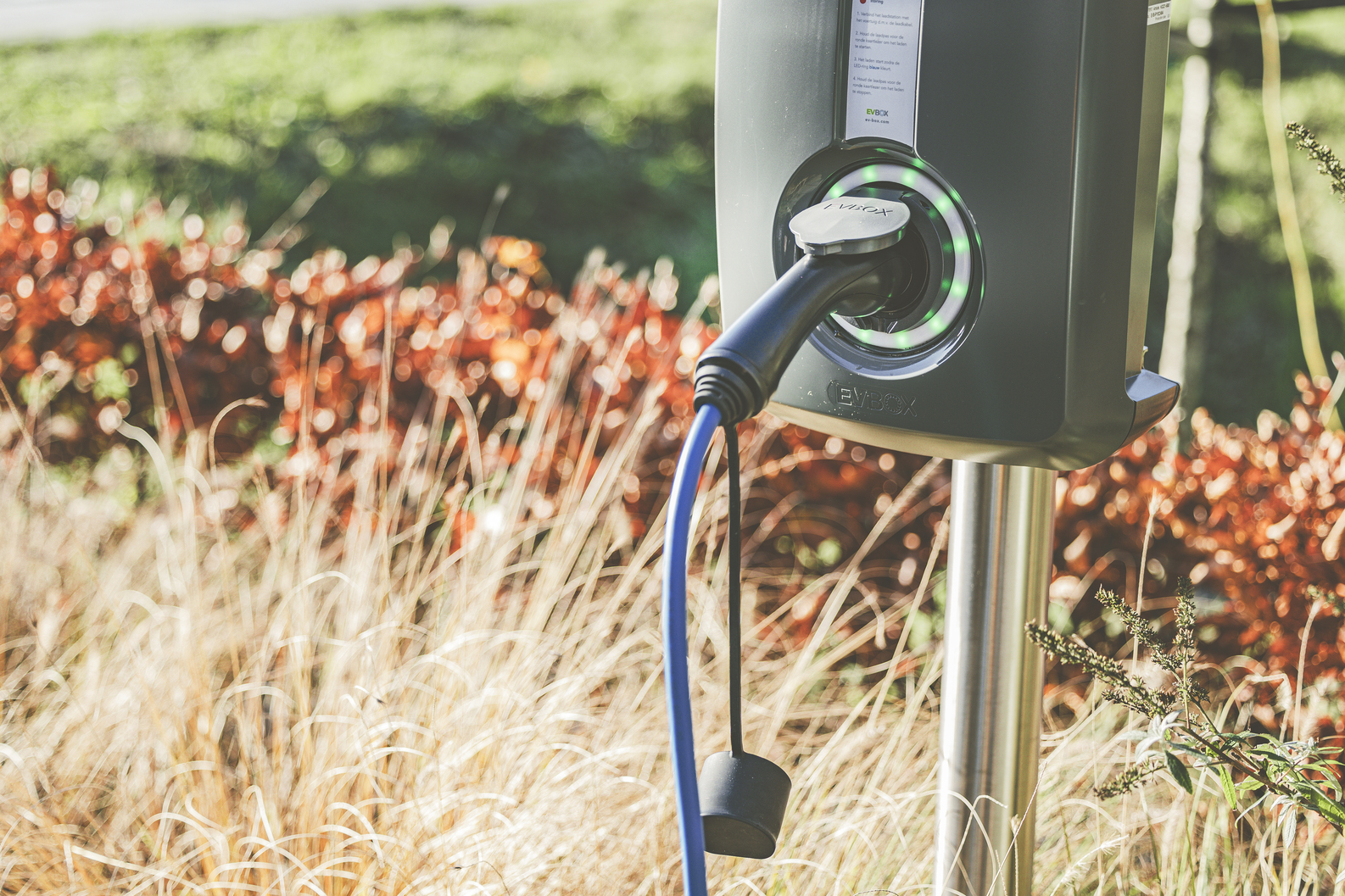
What is a Type 2 connector ?
The Type 2 connector, also known as the “Mennekes” connector, is the European standard for EV charging. It was introduced as part of efforts to create a unified charging system for electric cars, making it easier for drivers to find and use charging points wherever they go.
Visually, the Type 2 connector features a round design with seven pins. These pins allow for charging at single-phase or three-phase electricity and support both AC (alternating current) charging at home or workplaces and DC (direct current) charging at public fast chargers.
Why is Type 2 the standard in Europe?
Type 2 connectors became standardised under EU directives due to their versatility and efficiency. Nearly all modern European EVs come equipped with a Type 2 socket, meaning that most public charging stations are designed to accommodate these cables. Their widespread adoption ensures compatibility, making travel and charging more seamless for EV owners across the continent.
Compatibility with Vehicles and Charging Stations
One of the biggest advantages of the Type 2 charging cable is its excellent compatibility. But specific requirements can vary depending on your EV model and the charging station you’re using. Let’s break this down.
Type 2 with Different EV Models
The majority of European EVs, including popular models like the Tesla Model 3, BMW i3, and Renault Zoe, are fitted with Type 2 charging ports. If you’re driving a non-European vehicle like a Nissan Leaf or Mitsubishi Outlander, you may find a CHAdeMO connector instead. Check your car’s specifications to confirm, though many newer EVs designed for international markets now support Type 2 as well.
Home Charging Installation
If you’re installing an EV charger at home, you’ll often find Type 2 chargers are highly recommended. They’re compatible with wall-mounted EV charge points, allowing single-phase connections (usually delivering up to 7.4 kW) or three-phase setups for faster charging (up to 22 kW).
A benefit of using a home charger fitted with a Type 2 socket is its adaptability. Whether you’re plugging in a Type 2 cable directly or using a Type 1 adaptor for older cars, these chargers are designed for flexibility.
Public Charging Stations
Public charging stations across Europe largely cater to Type 2 users. Here’s where flexibility becomes important:
- AC Public Charging Points: Most use Type 2 sockets. You’ll need to bring your own Type 2-to-Type 2 cable to connect your car.
- DC (Fast Charging) Stations: Faster, high-powered connections usually come with tethered cables, which may work for Type 2 or other connectors depending on the station.
Double-check what kind of cable is provided or required when visiting public spots for the first time.
Universal Solutions
If you often travel across countries, it’s worth checking for combined charging systems (CCS). These systems incorporate a Type 2 socket for AC charging and additional DC pins for fast charging into one compact connector, offering added convenience.
Choosing the Right Type 2 Cable for Your Needs
Not all Type 2 charging cables are identical. Here are some factors to consider when choosing the right one for your EV:
1. Cable Length
A typical Type 2 cable ranges from 4 to 10 metres long. For home chargers or stations that are easily accessible, shorter cables are sufficient. However, if you frequently use roadside chargers where space might be restricted, a longer cable may be more practical.
2. Charging Power (Amperage)
Cables are rated for different power outputs, such as:
- 16 amps (single-phase): Suitable for slower charging, often up to 3.6 kW.
- 32 amps (three-phase): Provides faster charging, supporting up to 22 kW.
Opt for a high-amperage cable to future-proof your setup or if you regularly charge at stations capable of delivering higher power levels.
3. Portability
If you’re always on the go, investing in a portable, lightweight charging cable that’s easy to store in your boot is a smart choice. Many manufacturers offer storage bags to help keep the cable compact and organised.
4. Durability
High-quality cables with weather-resistant materials are essential if you charge outdoors. Look for cables designed to withstand rain, heat, and prolonged outdoor use without losing performance.
Tapping into the Growing EV Charging Infrastructure
Type 2 charging cables are a crucial part of the rapid EV adoption we’re seeing across Europe and beyond. Public and private efforts mean the network of charging stations is expanding, leaving EV drivers with increasing convenience.
EV-Friendly Cities
Driving through cities like Amsterdam, Berlin, or Oslo? These urban hubs are celebrated for their EV-friendly infrastructure, with most public stations compatible with Type 2 cables. Download EV charging apps like PlugShare or Zap-Map to locate charging spots and plan your trips.


